What Adelaide’s Climate Teaches Homeowners About Long-Term Solar Performance
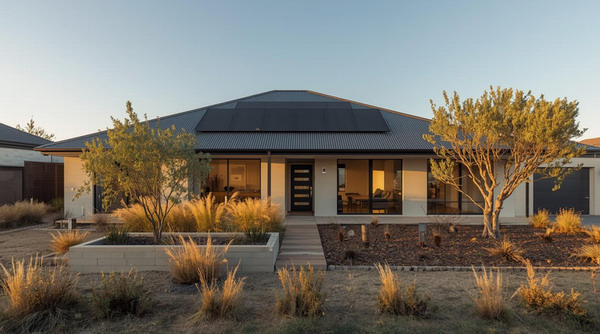
Adelaide has become one of the strongest solar markets in the country, and it’s easy to see why. Long sunlight hours, rising electricity prices, and growing interest in sustainable living have pushed more homeowners toward rooftop solar over the past decade.
But one part of the conversation still gets overlooked.
Not all solar systems age the same way.
A system that performs well in mild conditions may struggle under years of extreme UV exposure, salt air, heat stress, and changing weather conditions. In a climate like Adelaide’s, long-term performance often comes down to the quality of the design and installation, not simply the number of panels on the roof.
That’s starting to change how homeowners think about solar altogether.
Heat Affects More Than Just Comfort
Most homeowners understand that Adelaide summers are hard on air conditioners, gardens, and roofing materials. Solar systems experience similar pressure.
According to the International Energy Agency, solar power is now among the cheapest forms of electricity generation globally. But solar panel efficiency still declines as surface temperatures rise.
During prolonged heatwaves, rooftop temperatures can become significantly hotter than the surrounding air temperature. Dark roofing materials and limited roof ventilation can push temperatures even higher.
Over time, repeated heat exposure contributes to gradual system degradation.
That doesn’t mean solar performs poorly in hot climates. Adelaide still offers excellent solar conditions overall. The issue is that long-term output depends heavily on:
- panel quality
- airflow
- mounting systems
- roof orientation
- installation standards
- inverter placement
In practice, two systems installed side by side can age very differently over 15 or 20 years.
Coastal Conditions Create Additional Wear
One of the lesser-known challenges in South Australia is coastal corrosion.
Salt carried through the air can slowly affect mounting hardware, fasteners, frames, and electrical components over time. Homes closer to the coastline are generally exposed to harsher environmental conditions than inland suburbs.
This matters because some homeowners assume all solar warranties offer identical protection.
They don’t.
Certain products include environmental limitations or shorter warranty expectations in coastal areas. Others are specifically engineered for harsher conditions.
That distinction becomes important in Adelaide, where many popular residential areas sit relatively close to the coast.
According to the Clean Energy Council, installation quality and system suitability play a major role in long-term solar reliability and safety.
In other words, the cheapest installation is not always the cheapest system long-term.
Roof Design Matters More Than Most People Realise
The roof itself has become one of the biggest variables in solar performance.
Roof angle, orientation, ventilation, shading, and material choice all influence efficiency and long-term heat exposure.
North-facing roofs typically provide the most consistent output in the Southern Hemisphere, though east-west systems can still work effectively depending on household energy usage patterns.
Flat roofs have also become increasingly popular in modern home design across Adelaide. They offer flexibility for solar positioning, but they require careful engineering around:
- drainage
- waterproofing
- airflow
- panel spacing
- wind loading
In some cases, poorly designed installations can trap additional heat against the roof surface, affecting both panel efficiency and roof longevity.
That’s why more homeowners are starting to look beyond simple “cost per kilowatt” comparisons and asking deeper questions about durability and long-term performance.
Long-Term Warranties Are Becoming a Bigger Factor
The solar industry has matured quickly over the last decade.
Early adoption was often driven by rebates and upfront savings. Today, many homeowners are thinking more like long-term property investors.
Questions around degradation rates, warranty coverage, product lifespan, and maintenance expectations are becoming far more common.
Research from the Australian Energy Regulator continues to show electricity prices remain a significant concern for households.
Because of that, homeowners increasingly view solar as long-term infrastructure rather than a short-term upgrade.
That shift is also changing how some installers position themselves.
Adelaide solar installers Energy Buster has focused heavily on engineering-led solar design and premium panel performance in harsh South Australian conditions, including flat-roof and coastal installations.
That approach reflects a broader industry trend. Homeowners are becoming less focused on the cheapest possible installation and more interested in how systems will perform after years of heat exposure and weather stress.
Solar Is Becoming Part of Broader Home Performance Planning
Solar no longer sits in isolation from the rest of the home.
Homeowners are increasingly thinking about:
as part of one connected system.
This is especially relevant in Adelaide, where extreme summer temperatures place sustained pressure on household energy use.
A well-designed solar installation can reduce long-term electricity costs. But the strongest long-term outcomes usually come from combining quality solar with smarter home design decisions overall.
That includes the roof sitting underneath it.