BLM Seeks Input on Clearway’s 500-MW Nevada Solar
Aug 10, 2026 10:01 AM ET
- Nevada’s proposed 500MW Mosey Solar project is open for public comment—BLM will shape its Resource Management Plan and EIS through Aug. 28, plus 850MW storage.
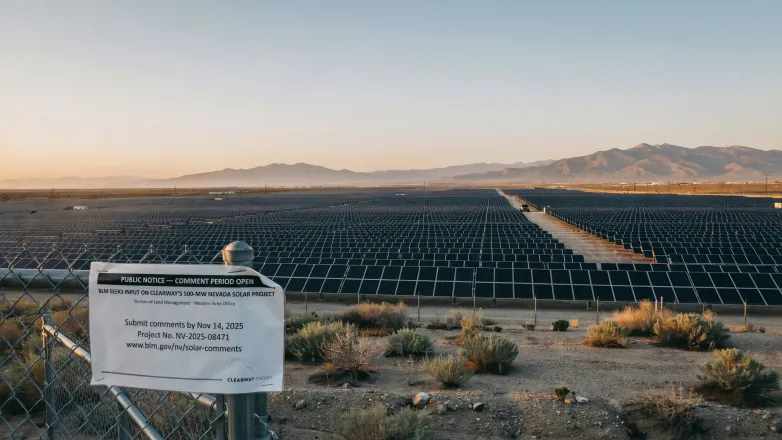
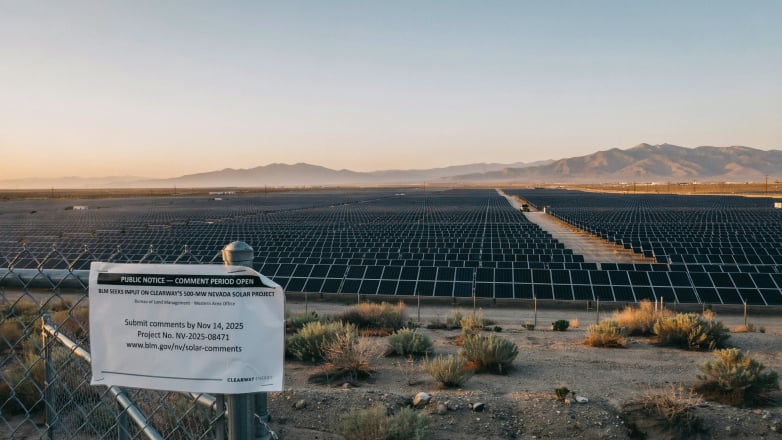
The U.S. Bureau of Land Management opened a public comment period for a proposed 500-megawatt Mosey Solar project in Nevada, submitted by Clearway Energy Group LLC through a project vehicle. BLM will accept feedback through Aug. 28 to help shape a Resource Management Plan amendment and a related Environmental Impact Statement.
The project would cover about 3,565 acres of BLM-managed land in Clark and Nye counties’ Pahrump Valley, connecting to the existing Trout Canyon substation. It also calls for an 850 MW battery energy storage system. The draft EIS is due Jan. 1, 2027, with the final version expected by Dec. 17, 2027, while construction is planned to begin in October 2028 and commissioning in summer 2030.
What public input shapes Nevada’s 500 MW Mosey Solar and 850 MW storage?
- Resource Management Plan (RMP) amendment scope: Public comments help determine what land-use changes are proposed for the Mosey Solar area on Bureau of Land Management–managed parcels, including how compatibility with existing plans is defined.
- Environmental Impact Statement (EIS) content: Feedback shapes what alternatives and impact analyses the Environmental Impact Statement must evaluate (e.g., siting variants, design/layout options, and different levels of solar-plus-storage integration).
- Land use and siting preferences: Comments can influence where within the project area solar arrays, battery enclosures, substations, and supporting facilities should be located to reduce conflicts with sensitive uses and resources.
- Wildlife and habitat protections: Input from tribes, residents, conservation groups, and scientists can guide requirements for avoiding or mitigating impacts to wildlife, habitat connectivity, and sensitive or protected species.
- Cultural and historical resource considerations: Public participation can raise concerns about archaeological sites, traditional cultural properties, and other heritage resources and can affect avoidance, survey, and treatment measures.
- Air quality and dust controls: Local concerns can shape mitigation measures for construction-related emissions, dust suppression, and operational air-quality considerations during the project build-out.
- Noise and lighting: Comments can influence limits or schedules for construction noise, operational sound, and lighting to address neighborhood and wildlife impacts.
- Water and wastewater management: Input can guide how water use is modeled and how groundwater/surface-water protections and any wastewater handling practices are addressed.
- Transmission and interconnection effects: Stakeholder feedback can affect how the project’s connection to existing infrastructure (and any related upgrades) are evaluated for land disturbance and environmental impacts.
- Battery-specific safety and siting: Public input can shape how the 850 MW storage system’s hazards are analyzed, including fire risk, thermal runaway concerns, emergency response planning, and siting setbacks.
- Vegetation, land disturbance, and restoration: Comments can influence requirements for minimizing disturbed acreage, managing invasive species, erosion control, and long-term reclamation/restoration plans.
- Traffic, access, and construction timing: Local testimony can affect expectations for haul routes, construction schedules, and safety measures for roadways used during major construction activities.
- Emergency preparedness and community coordination: Feedback can drive expectations for public notification, coordination with first responders, and the content of emergency response plans.
- Cumulative impacts: Input helps assess how Mosey Solar and its storage component interact with other existing and reasonably foreseeable projects in Pahrump Valley (e.g., combined habitat disruption, air-quality effects, and water use).
- Mitigation measures and enforceable commitments: The comment record influences what mitigation becomes specific, measurable, and enforceable within the final decision documents.
- Alternatives that reflect community priorities: Public suggestions may push agencies to consider different design approaches (such as different layouts, storage configurations, or operational strategies) that better address public concerns.
- Tribal consultation and government-to-government input: Tribes can provide input that affects scoping, study approaches, and mitigation commitments, particularly where federal consultation processes apply.
- Data quality and study boundaries: Comments can request additional field studies, better baseline data, or expanded geographic/scenario coverage for the EIS analyses.
- Equity and local community impacts: Feedback can highlight concerns about burdens and benefits, including visual impacts, land use changes, and potential local economic or workforce effects.
- Formal scoping and issue identification: The public comment period functions to flag “must-address” issues early, which can determine what topics remain central in the EIS and RMP amendment.
- Final agency decision direction: The totality of public input helps shape the BLM’s eventual selection among alternatives and the conditions attached to any approval.