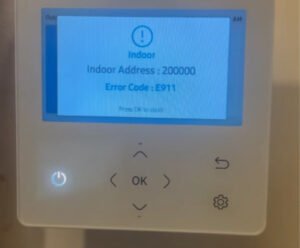
what the display is telling you
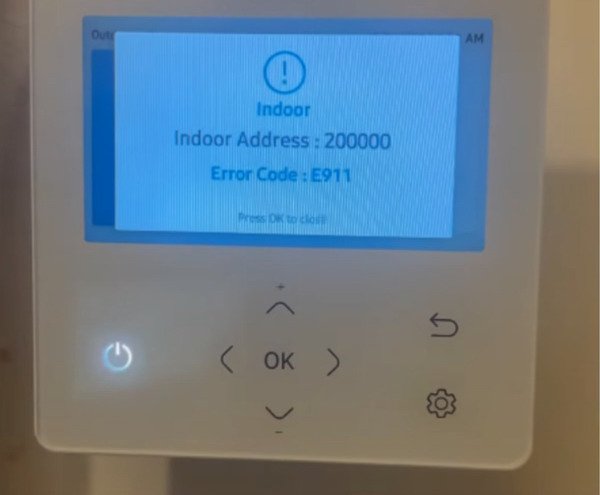
Heat pumps are now the default choice for new heating systems across much of Europe. In the Netherlands, Belgium and Germany, hybrid units that work alongside an existing gas boiler and all-electric systems are being installed by the hundreds of thousands. With that growth comes a less glamorous reality: sooner or later, many owners will see a fault code on the display and wonder whether the system is broken.
The good news is that most codes are not a death sentence for the appliance. They are the unit’s way of saying that it has protected itself, and the code points to the group of components involved.
What a fault code actually means
A heat pump constantly measures temperatures, pressures and flow. When a value falls outside its safe range, the controller stops the compressor or the circulation pump and shows a code. The same code can mean something different for each manufacturer, and sometimes even for each series of one brand. That is why a quick look at the rating plate, the sticker that lists the exact model, is always the first step.
Broadly, codes fall into five groups:
Water side problems. Too little pressure in the heating circuit, air in the system or no flow. These are by far the most common and often the easiest to solve: top up the system to around 1.5 to 2 bar when cold and bleed the radiators.
Sensor faults. A temperature sensor that is short-circuited or disconnected. The sensor itself is usually an inexpensive part, but you need the right one for your model.
Outdoor unit issues. Ice, leaves or snow blocking the air flow, or a tripped circuit breaker. A surprising number of winter alarms disappear once the outdoor unit can breathe again.
Communication errors. The indoor and outdoor units, or the unit and the thermostat, have lost contact. Loose wiring is a frequent cause.
Refrigerant circuit and compressor. High or low pressure alarms and inverter faults. These need a professional: in the EU, only an F-gas certified engineer may work on the refrigerant circuit, as set out in the EU’s F-gas Regulation
Reset once, not ten times
Resetting a heat pump after a fault is fine, once. If the code comes straight back, repeated resets only hide the cause and can stress the compressor. Write down the exact code, check the simple things (pressure, outdoor unit, breaker) and look up what the code means for your specific brand and model.
Online databases that list heat pump fault codes by brand help here: you see the cause, what you can safely check yourself and which part is typically involved. For owners, that turns a vague alarm into a concrete next step. For installers, it saves a trip when the fix turns out to be a simple top-up.
When a spare part is the answer
Many repeat faults come down to a small, replaceable component: a flow sensor, a temperature probe, a pressure switch or a circulation pump. Replacing the right original part often restores the system for a fraction of the cost of a new unit, which also keeps the environmental benefit of the heat pump intact. The key is to match the part number exactly to the appliance, since parts that look identical can differ per series.
Keeping heat pumps running longer
As Europe electrifies heating, keeping existing heat pumps in good shape matters as much as installing new ones. Regular servicing, clean filters, a free outdoor unit and quick, accurate diagnosis when a code appears all extend the life of the system. Understanding the display is the first step: a fault code is information, not a verdict.