Stour Power Community Energy welcomes strong public enthusiasm for clean energy future in Suffolk and Essex
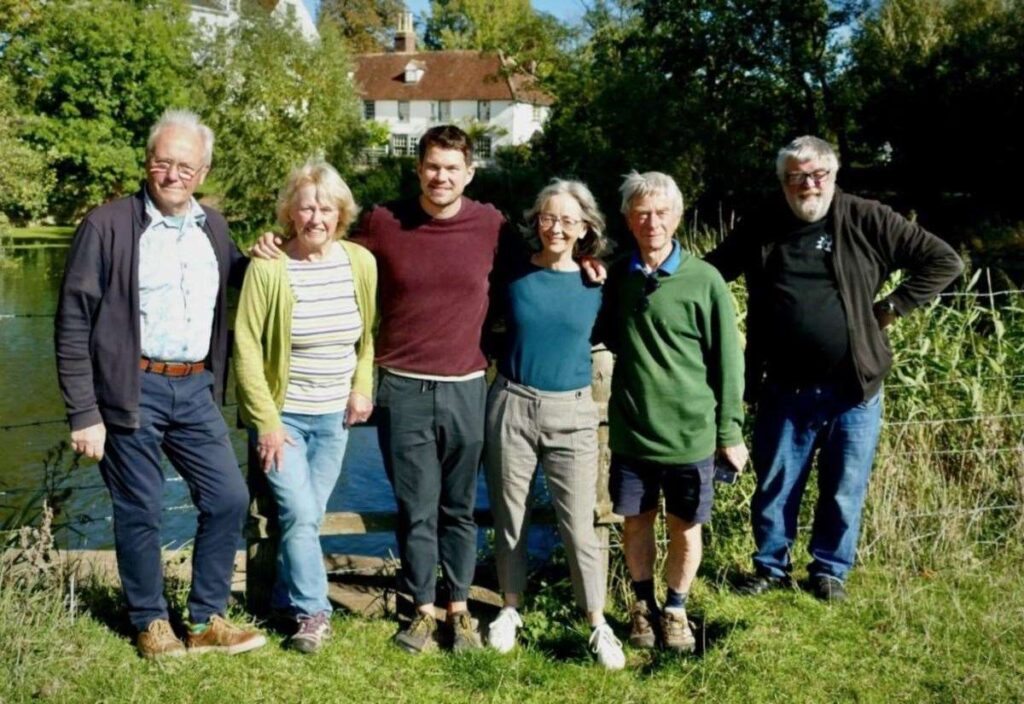
Ambitions to deliver clean, locally-generated energy across Suffolk and Essex have taken a major step forward, with the launch of a new community campaign.
Stour Power Community Energy held its official launch event at Sudbury Arts Centre, as it seeks new members to help shape the area’s renewable energy future.
The event showcased early ideas for various community-owned projects, intended to reduce carbon emissions and lower energy costs in public buildings – freeing up funds for re-investment locally.


Current projects include solar panel and battery storage plans for a disused landfill site near Acton and micro-hydropower schemes along the River Stour, near Bures and Great Cornard.
The organisation is also looking to partner with schools to deliver solar installations, with a pilot scheme in the works that it hopes to expand in future.
Directors at Stour Power – a registered community benefit society, founded last year – applauded the strong turnout and enthusiasm from attendees to the launch event.
They said the positive response in Sudbury ‘demonstrated the growing appetite to see the Stour Valley take control of its energy future’.
Chairman Tim Regester, who is also a town and district councillor for Sudbury, said: “We were delighted to see so many people come along to celebrate our launch.
“The level of interest in community-owned clean energy across the Stour Valley is inspiring.
“Our mission is simple – to work with local people to create energy projects that benefit everyone, financially, environmentally and socially.
“This is just the beginning and we’re excited for what’s possible when the community comes together.”
Anybody interested in becoming involved with Stour Power can find out more at www.stourpower.com.
For its next stage of work, Stour Power aims to identify a small number of priority projects, as well as produce a long-term outline of potential sites that could host renewable energy schemes.
Public assets such as schools, churches, village halls and community centres will be prioritised, with privately-owned sites only considered if the project is shown to directly benefit the local community.