Bangkok Post – Banpu seeks clean energy symphonics
This year marks the first for energy conglomerate Banpu Plc’s “symphony” of businesses seeking to accelerate the company’s transition to clean energy.
Under its six-year “Energy Symphonics” strategy from 2025 to 2030 the company intends to deal with key energy challenges to achieve business sustainability.
Energy Symphonics refers to a synchronised approach to creating new and sustainable energy solutions to address the world’s surging energy demand, while also looking after the planet, according to chief executive Sinon Vongkusolkit, who unveiled this strategy late last year.
“We are passionate about tackling the energy trilemma head-on,” he said, referring to Banpu’s ongoing efforts to balance energy security, equity and sustainability.
This strategy replaced the “Greener and Smarter” strategy implemented during the previous five years, paving the way for more serious efforts to combat climate change.
Banpu has pledged to achieve a net-zero target, meaning a balance between greenhouse gas emissions and absorption, by 2050, 15 years ahead of the government’s goal of 2065.
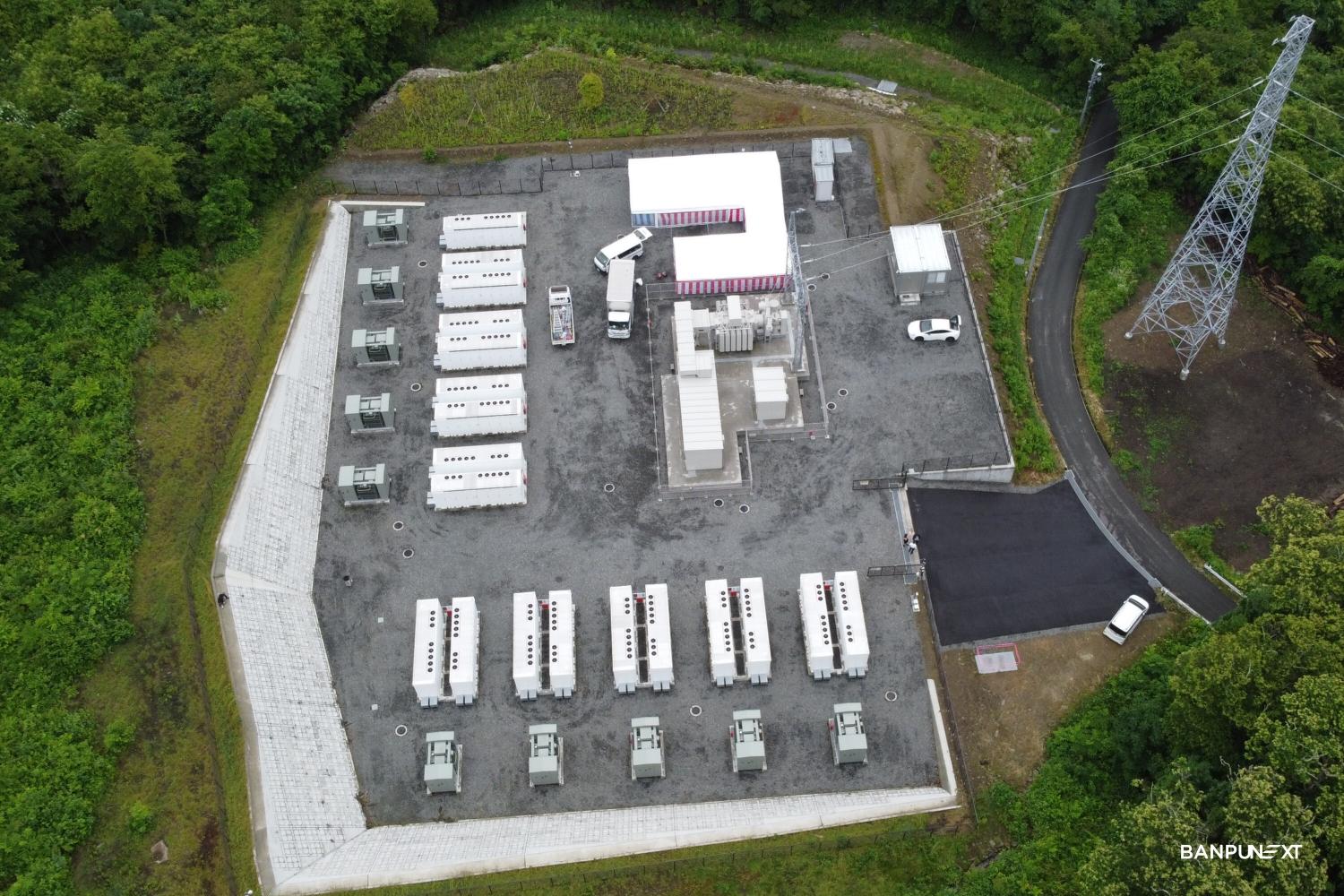
A battery farm operated by Banpu in Tono, Japan. The company adopted battery energy storage system technology to ensure power reliability from renewable energy.
PURSUING SUSTAINABILITY
The company continues to adjust its businesses to be less dependent on fossil fuels and focus more on new sources of energy.
Banpu wants to be part of global efforts to ensure energy needs are met and, through improved environmental protection, maintain the ability of future generations to meet theirs, said Mr Sinon.
Over the next two years, the company plans to seriously reduce or avoid greenhouse gas emissions from its businesses, said Jirameth Achcha, head of Banpu’s corporate services and activities.
The company mines coal and produces natural gas, as well as operates power generation facilities using fossil fuels and renewable energy. Banpu also offers smart energy solutions, focusing on new energy technologies that support the transition towards clean energy.
“The company is trying to avoid injecting a large portion of money into businesses that emit a high level of greenhouse gases,” said Mr Jirameth.
Banpu plans to reduce investments in coal businesses, with the aim of cutting the share of coal earnings to less than half of total revenue in a shift towards sustainable energy development, he said.
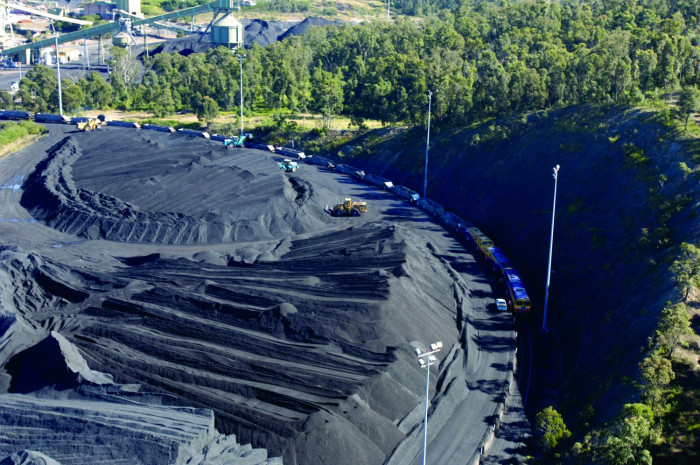
Revenue from the coal trade, which comprised 65% of earnings before interest, tax, depreciation and amortisation last year, should be reduced to less than 50% by 2030, according to Mr Sinon.
The company operates coal businesses in Australia, China and Indonesia.
Banpu is making its coal mines more environmentally friendly by replacing oil-powered vehicles used at its mines with electric vehicles (EVs), said Mr Jirameth. The company is also less reliant on coal by using more biomass fuel at its power plants, he said.
A shift towards other natural resources supports Banpu’s campaign to promote clean energy. For example, the company is pursuing a new opportunity related to nickel mining in Indonesia.
Nickel is a key component in batteries used to power EVs, helping to reduce tailpipe emissions from oil powered-vehicles. The element can also be recovered from old batteries for reuse.
PT Indo Tambangraya Megah Tbk, a subsidiary of Banpu, invested in the nickel mining business by acquiring in July this year a 9.62% stake in PT Adhi Kartiko Pratama Tbk (AKP), which is listed on the Indonesia Stock Exchange.
AKP operates a nickel mine in North Konawe in Southeast Sulawesi province.
This investment in nickel mining accounts for 20% of the company’s five-year investment budget of US$3 billion, said Mr Sinon.
The spending plan is scheduled to be implemented from 2025 to 2030 under the Energy Symphonics strategy.
Some 60% of the budget is to support natural gas and power businesses, while the remaining 20% funds the company’s renewable energy business.
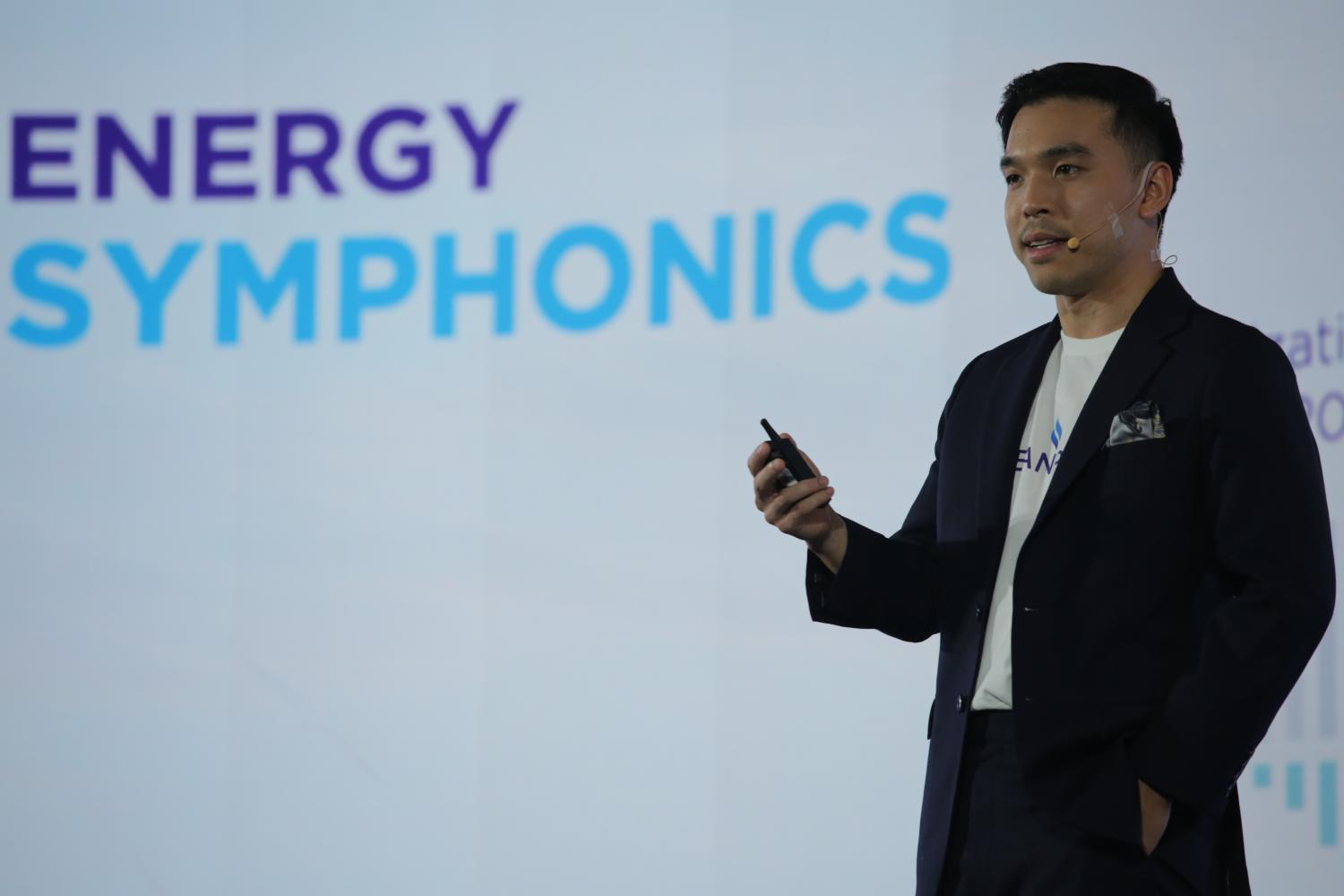
Mr Sinon says Banpu’s new strategy focuses on business sustainability. Chanat Katanyu
ENERGY RELIABILITY
Banpu is addressing concerns over unsteady electricity supply from renewable energy sources by adopting battery energy storage systems (BESS).
This stationary form of battery serves as back-up power for users to ensure electricity from renewable power generation facilities is always available for use.
The sun and wind are intermittent sources of energy generation making them dependent on weather conditions and seasons. These renewable energies cannot produce electricity all the time, so a BESS can ensure a more reliable supply.
A BESS can be developed by using a battery farm, ensuring a stable supply of clean energy.
Banpu Power Plc, the power generation arm of Banpu, announced earlier it is preparing to venture into the BESS business in the US.
The company already pursued a similar opportunity in Japan, where it developed a battery farm.
Banpu Power proposed the second BESS project to the Electric Reliability Council of Texas, which oversees and manages the electrical grid in most of the southern US state, said Issara Niropas, chief executive of Banpu Power.
He stressed the need to catch the growing trend in utilising BESS as demand for renewable power is rapidly growing.
Electricity demand in the US is rising, driven by the development of data centres and greater use of artificial intelligence (AI) technology, according to the company.
In Japan, Banpu Next, Banpu’s energy technology arm, operates a 58-megawatt-hour BESS farm in the city of Tono. The facility is designed to supply electricity to 5,800 houses.
The company plans to expand its BESS business to other Asia-Pacific nations, said Mr Issara.
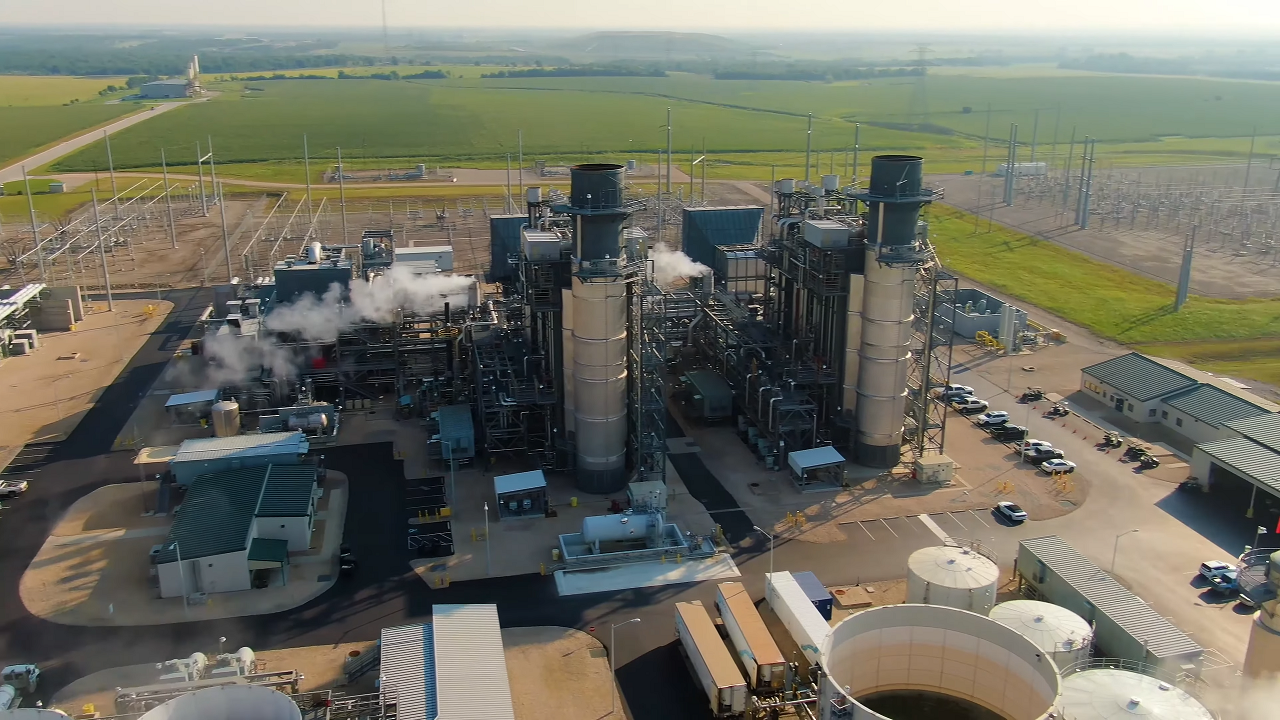
The Temple I combined-cycle power plant in the US state of Texas. High efficiency, low emissions technology at the facility reduces power generation costs.
GREATER AFFORDABILITY
To make energy prices more affordable, Banpu devised various approaches to control its expenses, diversify energy sources and adopt technologies to enhance productivity.
Despite the challenges of a volatile energy market, Banpu is confident its Energy Symphonics strategy will drive growth and create long-term value for shareholders, said Mr Sinon.
Regarding mining, the company plans to adopt AI and smart mining technology to reduce operating costs and enhance productivity, he said.
According to Banpu, the company does not depend on a single energy source to avoid price volatility.
The company’s businesses use both traditional and cleaner forms of energy.
In the US, Banpu is focusing on gas production as an alternative to coal and because it allows the company to better manage costs from the source, said Mr Sinon.
The company is also expanding its renewable energy portfolio by investing in solar and wind power businesses to benefit from decreasing renewable energy costs.
The investments should help the company reduce the total cost of energy generation in the long term, he said.
Banpu also utilises high efficiency, low emissions (HELE) technology to reduce power generation costs.
The technology is applied to its Temple I combined-cycle power plant with electricity generation capacity of 768 megawatts.
HELE increases the facility’s thermal efficiency through the use of both a gas turbine and steam turbine, allowing the plant to produce more electricity from the same fuel input, thus reducing fuel costs per megawatt-hour.

Banpu operates a gas production facility in the Barnett shale field in Texas.